Mold problems rarely start where you see them. A patch on a ceiling, a musty smell in the basement, or staining around vents is often just the surface-level symptom of a deeper issue. In many homes, especially across Ottawa where seasonal moisture and temperature swings are common, the real source of mold can be tied back to the HVAC system.
If you’re dealing with recurring mold or unexplained indoor air quality issues, looking beyond visible damage and into your HVAC system can uncover the root cause. In many cases, proper diagnosis leads directly to more effective mold removal in Ottawa and long-term prevention.
Why Your HVAC System Plays a Bigger Role Than You Think
Your HVAC system is responsible for circulating air throughout your entire home. That includes heated or cooled air, but also moisture, dust, and airborne particles. When something goes wrong within that system, it can spread contaminants from one area to another without you realizing it.
In Ottawa homes, this is especially relevant during colder months when windows stay closed and air circulation is limited to mechanical systems. If moisture builds up in ducts, coils, or vents, it creates the perfect environment for mold growth.
An HVAC inspection helps identify where moisture is accumulating and how it’s being distributed throughout your home. Without this step, mold removal in Ottawa may only address the visible issue while the source continues to spread spores.
Common HVAC-Related Causes of Mold
There are several ways your HVAC system can contribute to mold growth, often without obvious warning signs.
- Condensation buildup is one of the most common issues. When warm air meets cooler surfaces inside your system, moisture can form. Over time, this creates damp conditions inside ductwork or around coils.
- Clogged or dirty filters can restrict airflow, causing humidity to linger inside the system. This not only reduces efficiency but also increases the likelihood of mold forming in hidden areas.
- Poor ventilation is another contributing factor. If your system is not properly balanced, certain areas of your home may trap moisture, particularly basements and attics. These conditions often lead to water damage in Ottawa homes, especially during seasonal transitions.
- Leaking ducts or components can also introduce moisture into spaces that are not designed to handle it. Even small leaks can create long-term dampness that supports mold growth behind walls or ceilings.
What an HVAC Inspection Actually Reveals
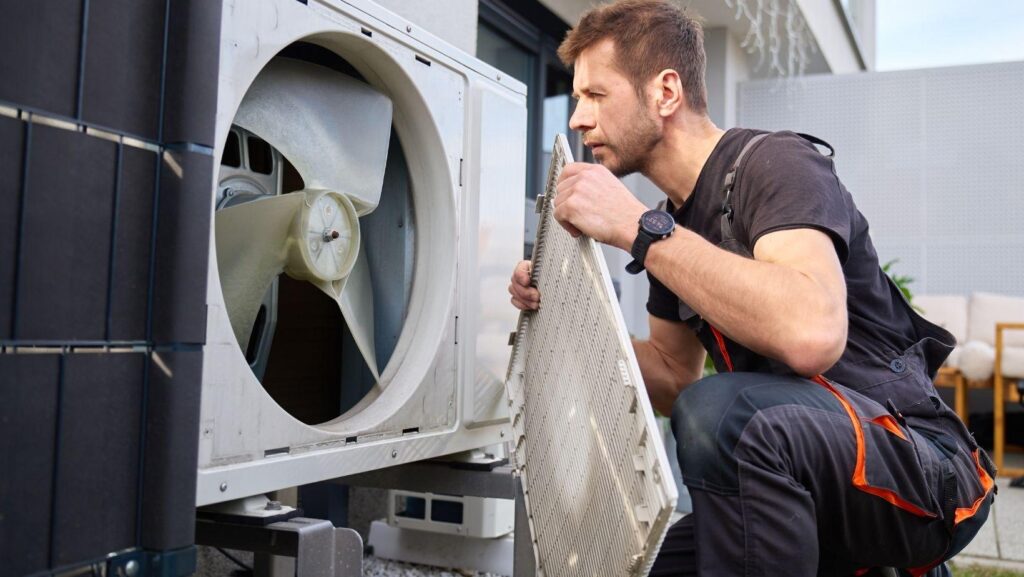
A thorough HVAC inspection goes beyond checking whether your system is heating or cooling properly. It involves assessing how air and moisture move through your home.
During an inspection, professionals look for:
- Signs of condensation or standing water inside the system
- Mold or debris buildup within ducts and vents
- Airflow imbalances that may trap humidity in certain areas
- Leaks or damage in ductwork
- Poor drainage from the system’s components
This process helps connect the dots between your HVAC system and broader issues like water damage in Ottawa properties. It also allows technicians to pinpoint the source of recurring mold rather than treating symptoms.
Why Mold Keeps Coming Back Without Proper Diagnosis
One of the most frustrating experiences for homeowners is dealing with mold that keeps returning after cleaning. This often happens when the underlying moisture issue has not been addressed.
If mold spores are being circulated through your HVAC system, surface cleaning or even partial remediation will not solve the problem. The system continues to introduce spores into different areas of the home, allowing mold to regrow.
This is why professional mold removal in Ottawa often includes identifying moisture sources and addressing HVAC-related issues as part of the process. Without this step, the cycle continues.
The Connection Between Water Damage and HVAC Systems
Water damage and HVAC issues are closely linked. In many cases, excess moisture from leaks, flooding, or humidity enters the HVAC system and spreads throughout the home.
For example, a basement affected by water damage in Ottawa may introduce moisture into the air. If that air is circulated through the system without proper dehumidification, it can lead to mold growth in ducts and upper levels of the home.
Similarly, poorly maintained HVAC systems can contribute to condensation that mimics the effects of water damage. Over time, this creates hidden moisture pockets that are difficult to detect without inspection.
What Homeowners in Ottawa Should Do Next
If you suspect mold in your home, especially if it keeps returning or appears in multiple areas, it’s important to think beyond surface-level cleaning.
Start by considering whether your HVAC system could be contributing to the issue. Warning signs include musty smells when the system is running, uneven humidity levels, or visible dust and debris around vents.
From there, a professional mold inspection can help determine whether your system is part of the problem. Addressing both the mold and the source of moisture is the most effective way to protect your home.
A Smarter Approach to Long-Term Mold Prevention
Mold is not just a cleaning issue. It’s a moisture and air quality problem that requires a full understanding of how your home functions as a system.
By incorporating HVAC inspections into your approach, you gain a clearer picture of where problems are starting and how they spread. This leads to more effective mold removal in Ottawa and reduces the risk of repeat issues.
In a climate like Ottawa’s, where seasonal changes can introduce both humidity and condensation challenges, taking a proactive approach is key. Identifying the root cause early can help prevent more extensive water damage in Ottawa homes and keep your indoor environment safe and healthy.