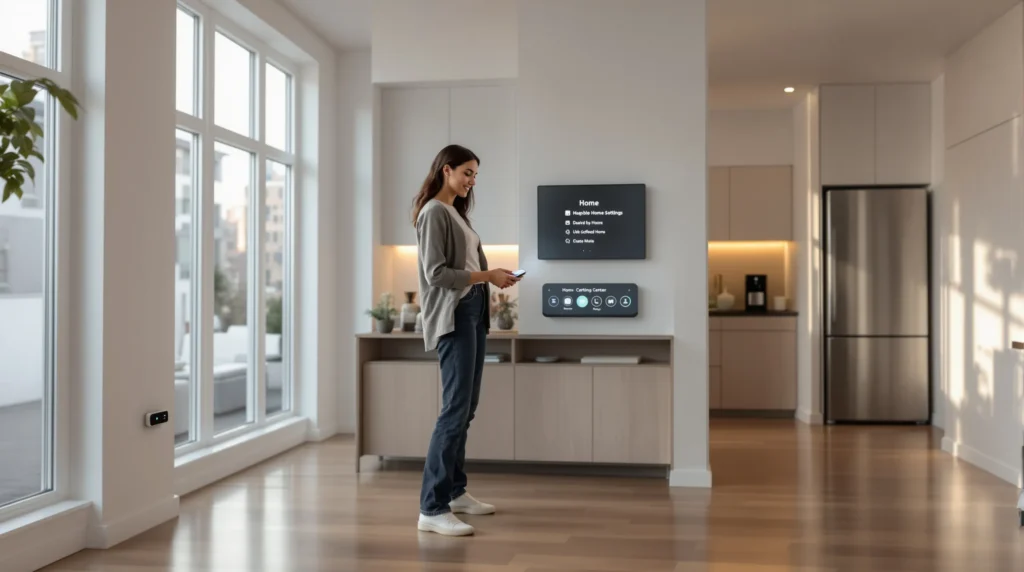
Picture this: You walk into your home after a long day. The lights shift to your favorite shade of warm white, the thermostat nudges up a degree, and your favorite playlist starts in the kitchen. No buttons, no apps—just you, living. That’s not science fiction. It’s the future of connected home, and it’s closer than you think.
Why the Future of Connected Home Matters
If you’ve ever fumbled for your keys in the rain or wondered if you left the oven on, you know the little annoyances that smart homes promise to erase. But the future of connected home isn’t just about convenience. It’s about safety, energy savings, and even peace of mind. Here’s why this matters: our homes are becoming extensions of ourselves. They learn, adapt, and sometimes even surprise us.
What’s Changing in the Future of Connected Home?
Let’s break it down. The future of connected home is about more than smart speakers and Wi-Fi bulbs. It’s about devices that talk to each other, learn your habits, and anticipate your needs. Think of a home that knows when you’re stressed and dims the lights, or a fridge that orders milk before you run out. The magic is in the details.
1. Smarter, More Personal Devices
Today’s smart devices follow commands. Tomorrow’s will predict them. Imagine a thermostat that knows you like it cooler when you’re working out, or a coffee maker that starts brewing when your alarm goes off. The future of connected home means your devices will know you better than your best friend.
2. Privacy Gets Real
Here’s the part nobody tells you: the more your home knows, the more you have to trust it. Privacy isn’t just a buzzword—it’s a dealbreaker. Companies are finally listening. Expect more local data processing, less cloud storage, and real control over what your home remembers. If you’ve ever worried about who’s listening, the future of connected home is working to put you back in charge.
3. Energy Savings Without Sacrifice
Remember the guilt of leaving lights on? The future of connected home will make that a thing of the past. Smart sensors will turn off devices when you leave a room. Solar panels and batteries will talk to your appliances, running the dishwasher when energy is cheapest. You’ll save money without thinking about it.
How the Future of Connected Home Will Change Daily Life
Let’s get specific. Here’s what you can expect in the next few years:
- Voice and gesture control: No more shouting at your speaker. Subtle gestures or even your mood will trigger actions.
- Health monitoring: Smart mirrors that track your skin, toilets that analyze your health, and air purifiers that adjust to pollen counts.
- Security that feels invisible: Facial recognition at the door, sensors that know when you’re home, and alerts that actually matter.
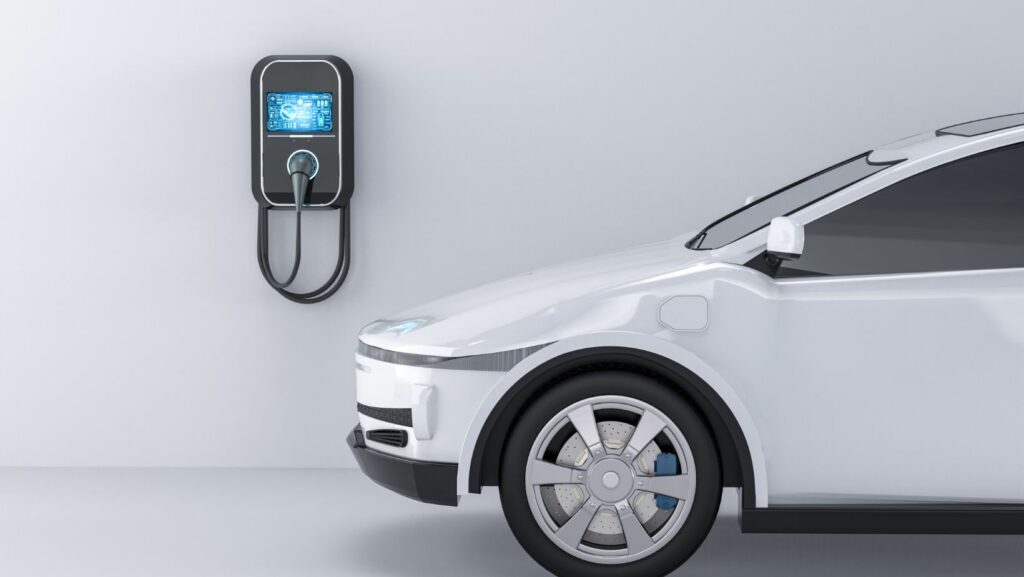
- Interconnected everything: Your car talks to your house. Your calendar syncs with your oven. If you’re running late, your home delays dinner.
Here’s a story: A friend of mine, Sarah, used to forget her medication. Now, her bathroom cabinet lights up as a reminder. It’s a small thing, but it changed her life. That’s the future of connected home—tiny, thoughtful moments that add up.
Who Benefits—and Who Might Not
If you love gadgets, the future of connected home is your playground. But it’s not just for techies. Busy parents, older adults, and anyone who wants a little less stress will find value. On the flip side, if you’re wary of technology or crave total privacy, some features might feel intrusive. The good news? You’ll have more control over what you use and what you don’t.
Common Mistakes and Lessons Learned
Let’s be honest. The first time I set up a smart home, I bought every gadget I could find. Half of them didn’t work together. My Wi-Fi crashed. My partner threatened to move out. Here’s what I learned:
- Start small. Pick one or two devices that solve real problems.
- Check compatibility. Not all brands play nice together.
- Secure your network. Use strong passwords and update software.
- Don’t forget the humans. Ask your family what they want, too.
The future of connected home is about making life easier, not more complicated. If you’ve ever felt overwhelmed, you’re not alone.
What to Watch For: Trends Shaping the Future of Connected Home
Here’s what’s coming next:
- AI that learns you: Homes will adapt to your routines, moods, and even your health.
- Universal standards: New protocols like Matter will make devices from different brands work together.
- Affordable options: Prices are dropping. Soon, smart features will be standard, not luxury.
- Focus on sustainability: Expect more solar, battery storage, and water-saving tech built in.
Don’t just take my word for it. According to Statista, the global smart home market could hit $231 billion by 2028. That’s a lot of connected coffee makers.
Action Steps: How to Prepare for the Future of Connected Home
Ready to get started? Here’s how:
- Audit your needs. What annoys you at home? Start there.
- Research devices that solve those problems. Look for ones that support new standards.
- Plan for privacy. Choose brands with clear data policies.
- Upgrade your Wi-Fi. A strong network is the backbone of any connected home.
- Stay curious. The future of connected home is always changing. Try new things, but don’t be afraid to unplug if something doesn’t work for you.
If you’ve ever dreamed of a home that just “gets” you, now’s the time to start building it. The future of connected home isn’t about gadgets—it’s about living better, one small moment at a time.